Natural chicken keeping
Keeping chickens is so much more than collecting eggs and cleaning a coop. It's a collaboration between animal and human, where as a caregiver, you facilitate what the animal naturally needs. In our vision, chickens deserve a living environment that supports their behavior, nourishes their health, and contributes to a living ecosystem. Not by focusing on production, but by trusting what emerges when you give animals space.
Natural behavior requires a natural environment
Chickens are active, inquisitive, and omnivores. In the wild, they spend their day foraging for seeds, grass, herbs, worms, insects, and other nutritious snacks. Limiting chickens to a coop with dry feed does them a disservice. A rich outdoor environment where they can peck, scratch, and sunbathe is not only pleasant but essential for their physical and mental well-being.
If you give your chickens access to fresh greens, you'll see the difference: their feathers shine, their eyes are bright, and their behavior becomes calmer and more natural. The foraging itself already contributes to their health.
The chicken garden, a living feeding area
To prevent an run from quickly becoming bare, you can easily create a chicken garden: a piece of your garden or yard that you sow with a mixture of organic herbs, flowers, and grasses. First, fence it off with fine mesh so the seeds can germinate and the plants can develop. Once the greens are sturdy enough, the chickens can eat from them.
In larger runs, you can work with rotation: let chickens forage on a plot of land temporarily, then let the soil rest, and re-sow in that spot. What you get then is a small cycle where animal, soil, and plant reinforce each other.
Have less space? Then containers or pots are a good alternative. You can also grow a chicken garden in them. Occasionally place one in the coop or run, possibly with a mesh over it, so the greens last longer. Not everything you sow will be eaten immediately, and that's okay. Chickens instinctively choose what they need, and plants they leave today might suddenly be a favorite tomorrow.
What do chickens prefer to eat?
In nature, chickens don't only eat plant-based foods. They also hunt for insects, worms, slugs, and sometimes even small frogs or mice. So, animal proteins are completely normal for them. In a diverse run, they can find these themselves. If they have less access to such, you can occasionally supplement with dried insects or a little meat scraps.
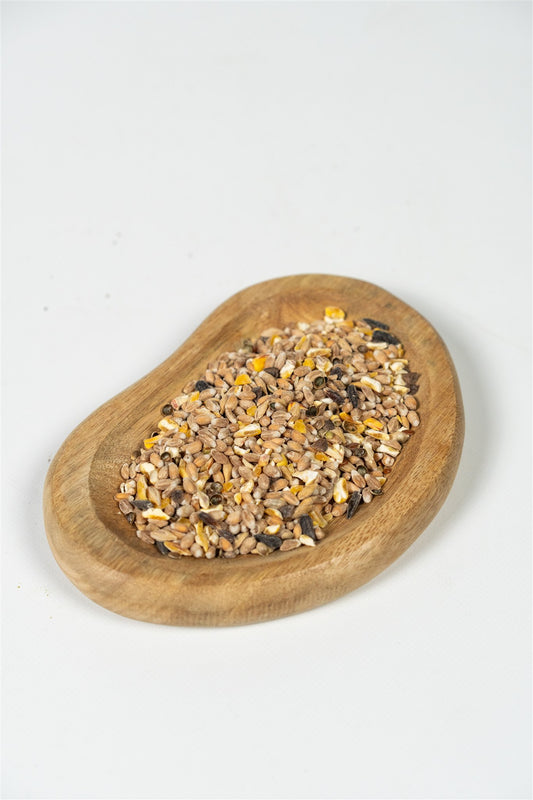
As a base, you can choose organic poultry feed based on whole grains and seeds, without artificial additives. Preferably alternated with some bokashi for gut flora, and vegetable scraps for freshness and variety. During molting or in cold periods, you can provide extra energy in the form of fats or animal proteins. And if there is truly little natural supply, you can temporarily supplement with a little laying pellet.
What's important: feed according to need, not expectation. The idea that you won't get eggs without laying pellets does not align with our experience. Chickens that live healthy, free, and varied lives lay eggs on their own. And sometimes they don't, and that's also part of it.
Supplementing as needed: seeds, fats, and vitality
In addition to basic feed, you can give chickens something extra as needed. Think of:
- Linseed, rich in omega-3 fatty acids, for digestion and coat
- Hemp seeds, full of essential amino acids and plant proteins
- Unshelled sunflower seeds, for fatty acids, vitamins, and trace elements
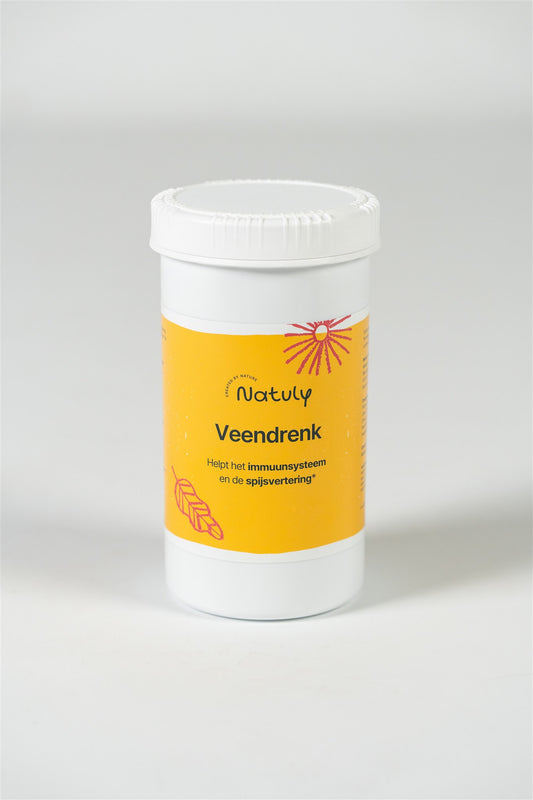
- Seaweed or peat water, with a broad spectrum of easily absorbable minerals
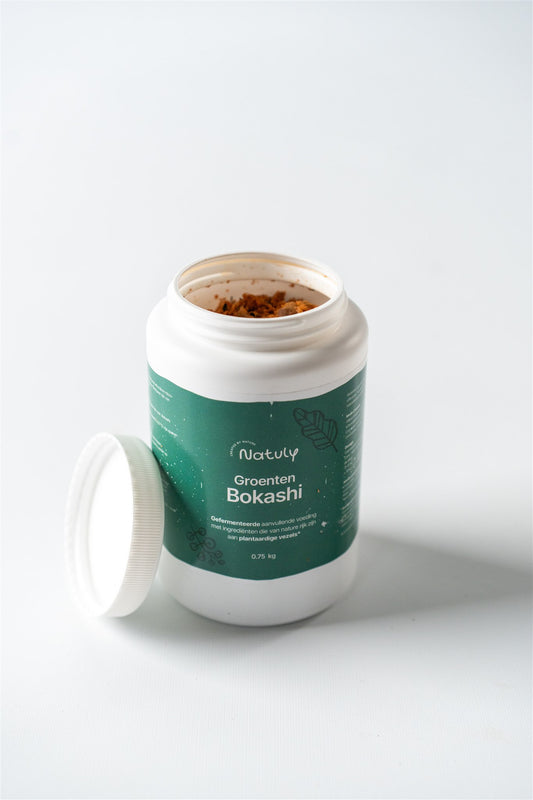
- Bokashi, fermented feed that supports the gut environment
Because these products are pure, you can combine them without problems. You can even make your own mix, adapted to the season or the needs of your animals.

Why chicken grit is so important
Chickens don't have teeth; they use small stones in their gizzard to grind food. Chicken grit is therefore indispensable. It supports the digestion of grains and seeds, promotes nutrient absorption, and contributes to strong eggshells. Ensure it's always available in a separate container. Chickens take exactly what they need.
A good grit mix preferably contains different types: marine shell grit, lava rock dust, oyster shell, and redstone. Each ingredient contributes to a healthy mineral balance.
The soil is the beginning
Whether you are creating a chicken garden or restoring a run, everything starts with the soil. By enriching the seedbed with natural soil improvers such as lava meal, marine shell lime, clay minerals, and compost, you create an airy, nutritious base where herbs and flowers can grow well. And what grows in good soil is also more nutritious for your chickens.
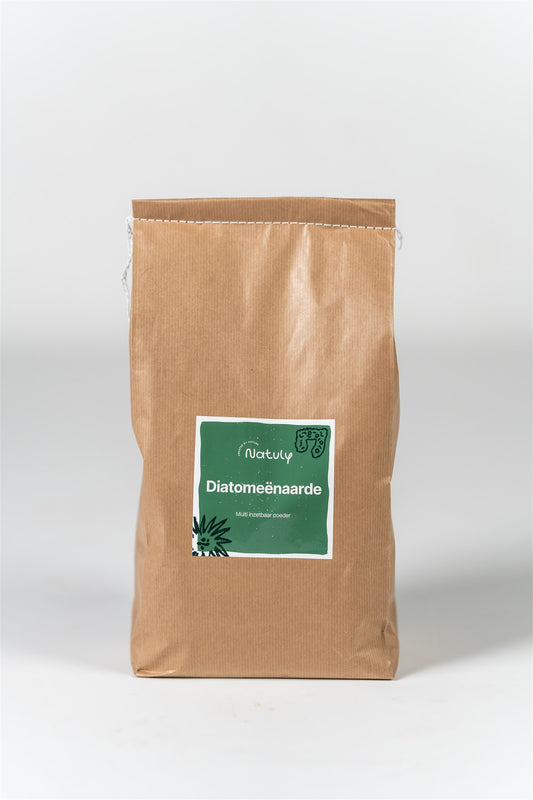
In the coop itself, you can follow the same philosophy. Choose bedding that supports microbial life and regulates moisture. For example, sprinkle lava meal or diatomaceous earth in the coop and in dust bath areas. This keeps the environment fresh and contributes to a natural balance, without artificial means.
Keeping chickens in balance
Keeping chickens in a holistic way requires a bit more attention, but it also gives a lot back. It makes you part of a living system where animal, soil, and environment work together. Whether you have a few chickens in the garden or a flock in the yard, every action counts.
By moving with the seasons, offering variety, and respecting the natural needs of your animals, you create a living environment where health is not a goal, but the natural consequence.

Caring for Vital Sheep
Chickens
-
Peat impurity
Regular price From €16,95Regular priceUnit price per -
Organic Poultry Mix
Regular price From €3,99Regular priceUnit price per -
Diatomaceous earth
Regular price From €14,50Regular priceUnit price per -
Organic Bokashi vegetables
Regular price From €22,00Regular priceUnit price per